Incheon Airport to Seoul: Do It for 5,000 Won, Not 60,000
The airport train costs about a twelfth of the taxi and gets you to Hongdae, Gangnam, Seongsu or Jamsil without a car ever being involved. Official fares, the transfer nobody tells you about, and the one case where a taxi is genuinely the right call.
Prices checked August 22, 2026 · in Seoul, on screen
A taxi from Incheon Airport to central Seoul runs about 59,300 won — roughly $43 — before tolls, and closer to 79,000 won late at night. We worked that fare out properly in the Seoul taxi guide.
The train to the same city costs 4,650 won. About $3.35.
That’s not a small saving. That’s twelve to one.
Here’s the thing I want to say plainly, because visitors sometimes read Korean public transit as the budget option and therefore the lesser one: Koreans don’t take that taxi either. We fly somewhere, we look up the airport train, we save the money for something we actually want. Nobody here thinks of the AREX as roughing it. It’s just what you do.
So this is how to do it — with the official fares, the transfer that most guides get wrong, and an honest note about the one situation where the taxi wins.
All fares below are transit-card (T-money) prices from the operator’s published table, checked August 21, 2026. Exchange rate used: $1 = 1,391 won.
Getting from the plane to the platform
The station is inside the terminal, in the basement. You never go outside. It’s about a ten-minute walk from arrivals, and most of it is moving walkway.
Here’s the whole thing, in the order you’ll see it.
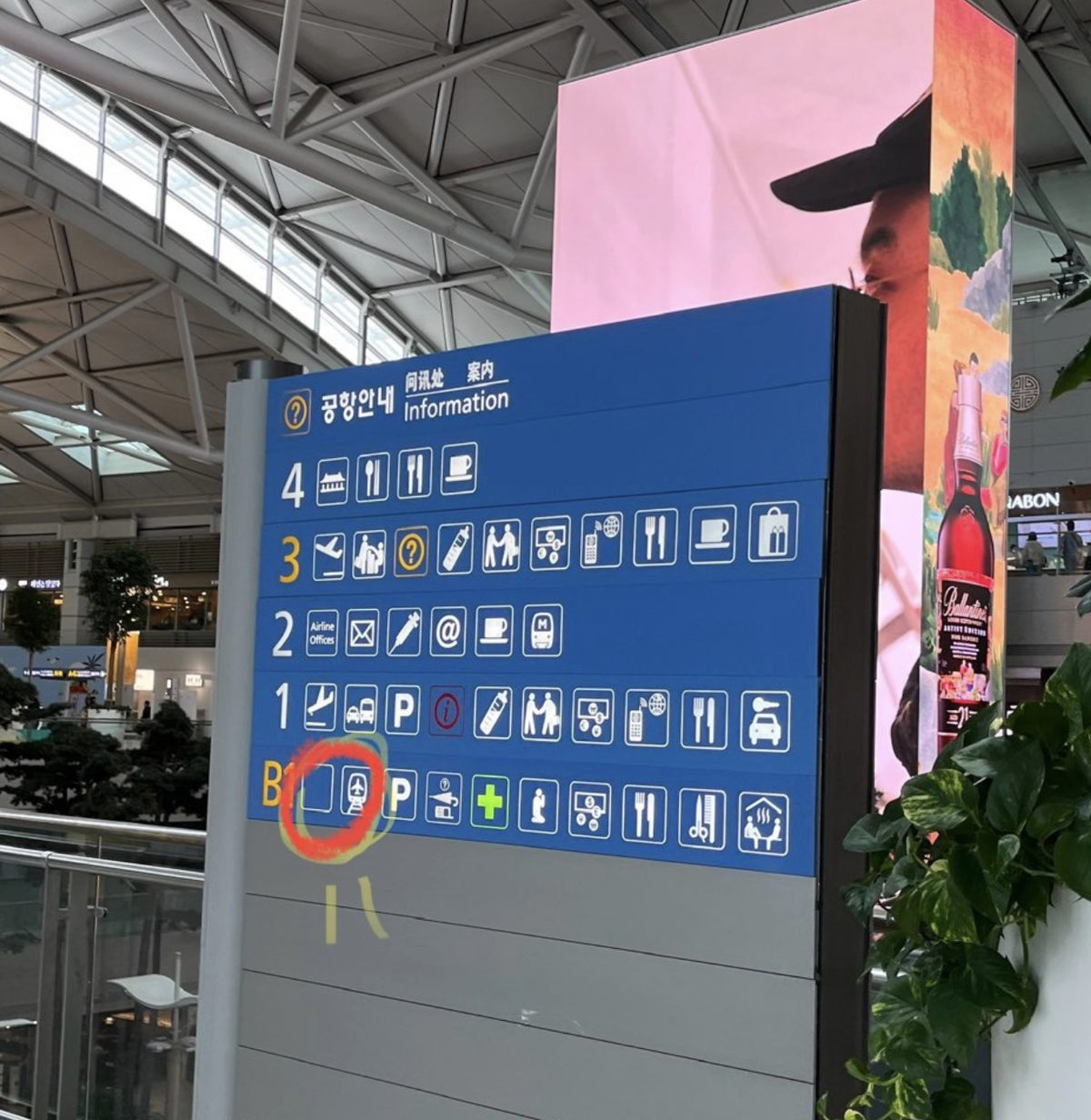
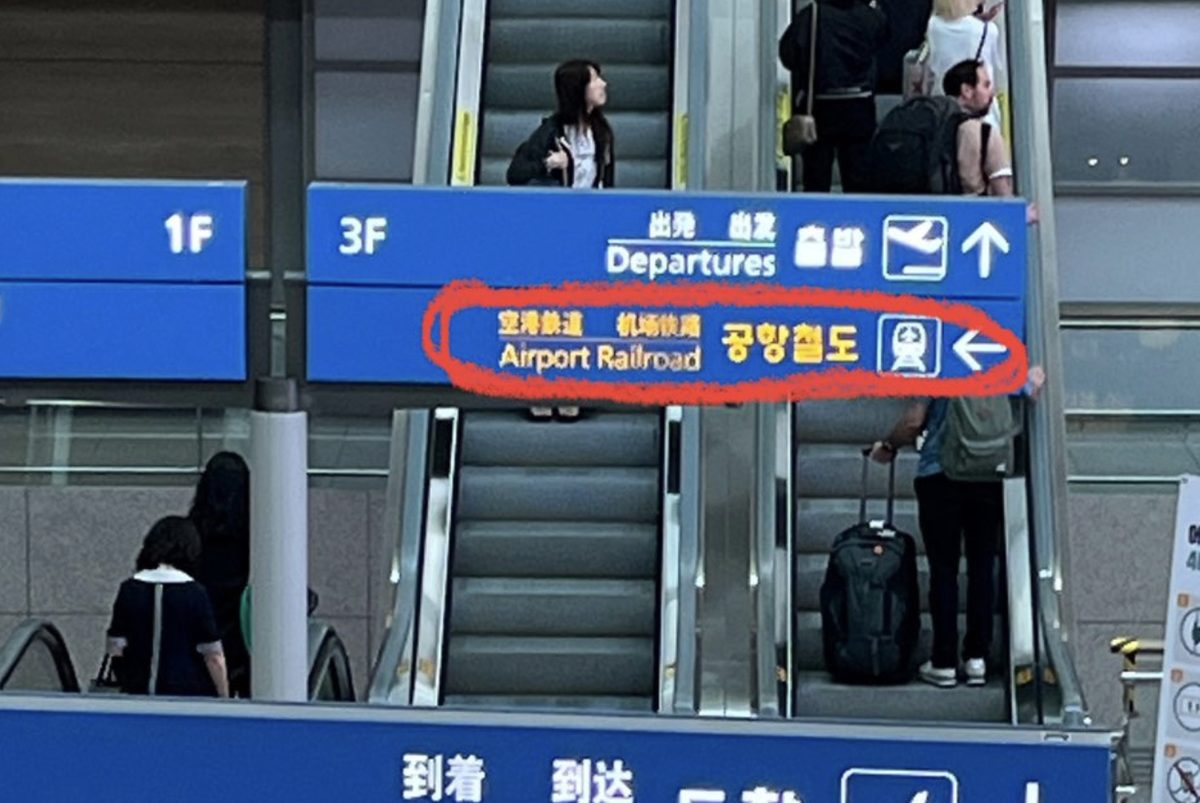
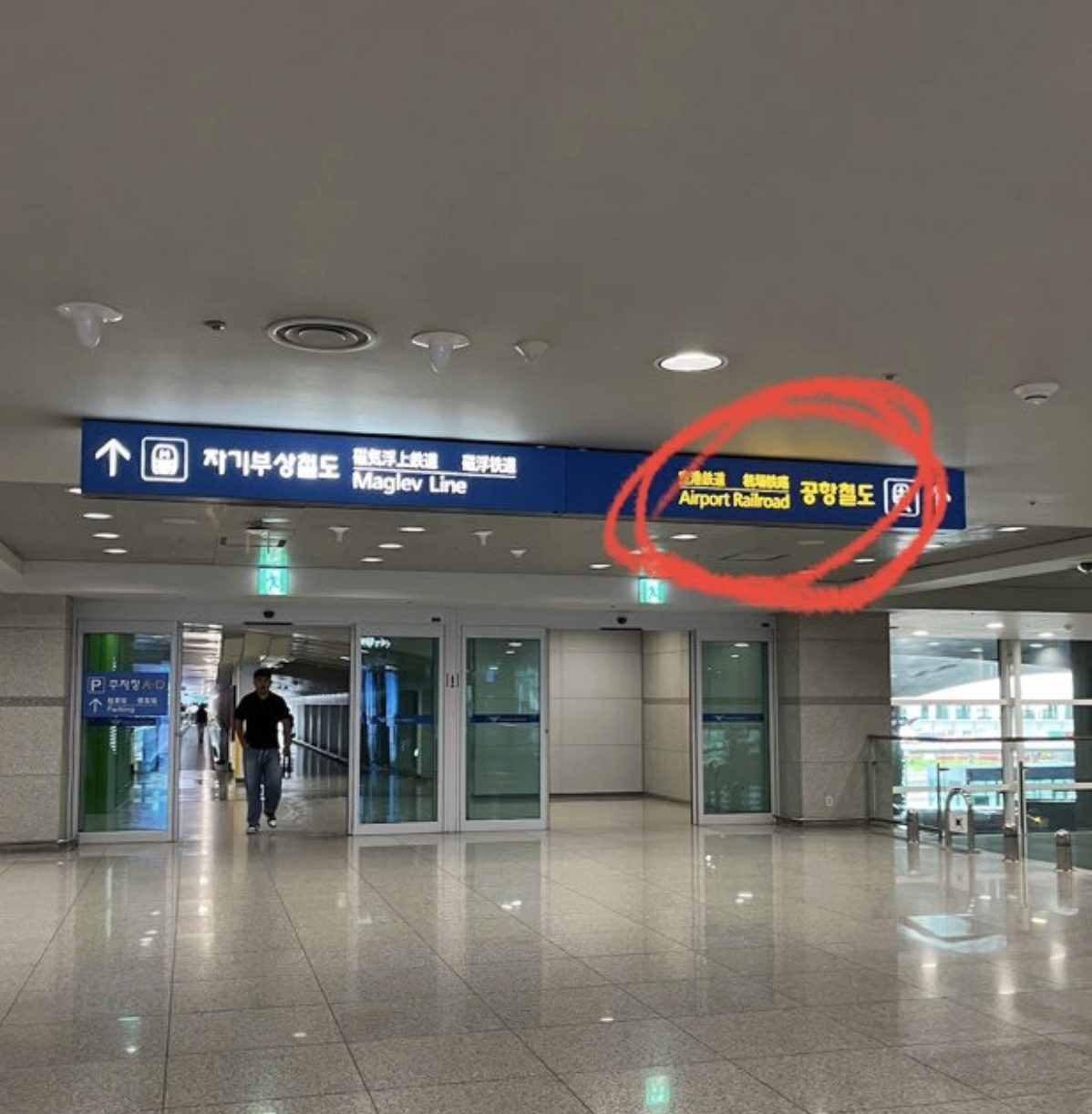
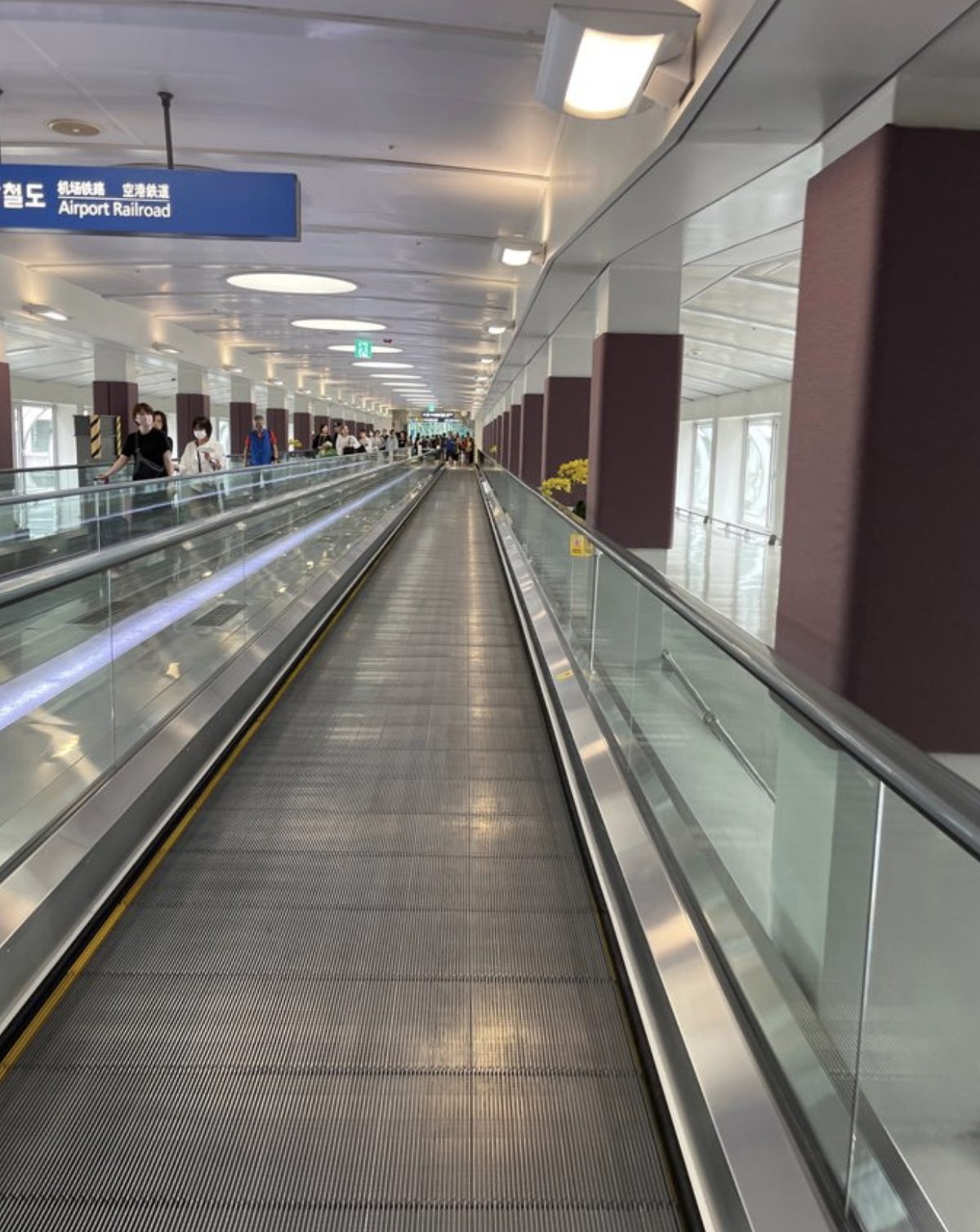
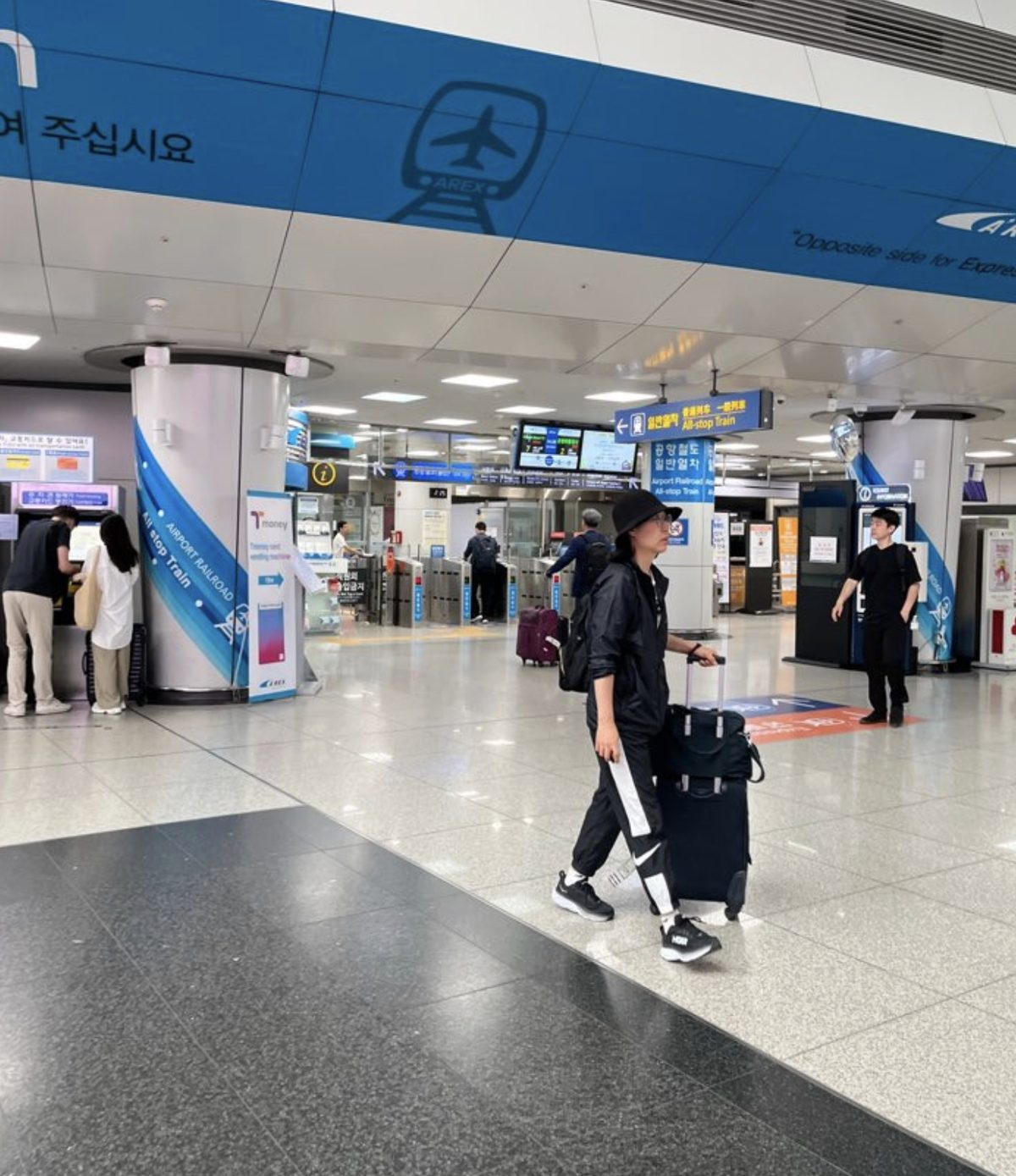
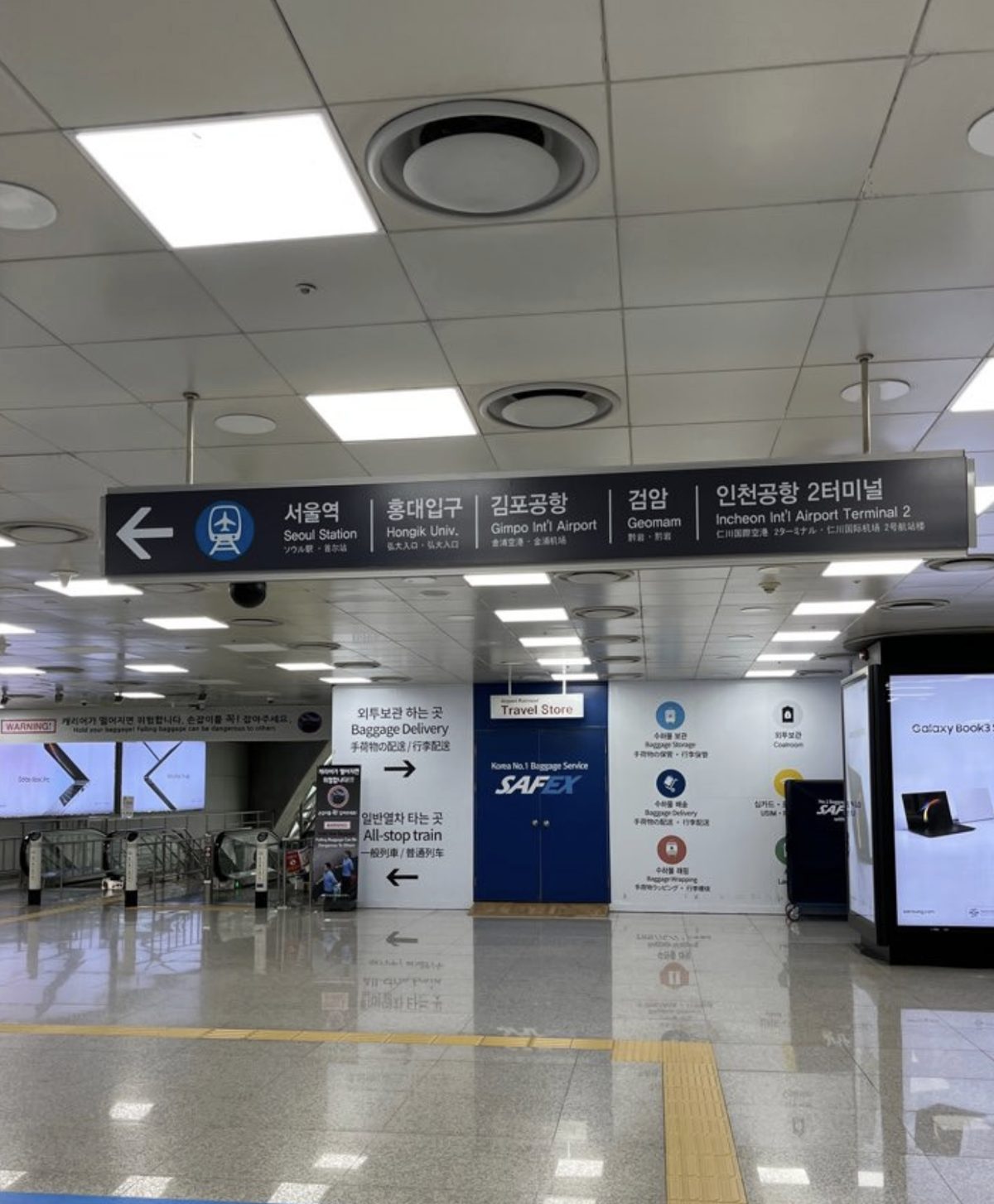
If you only remember one thing: follow “Airport Railroad” to B1, and don’t get on the Maglev.
The only decision that matters: Express or all-stop
There are two different trains on the same line and picking wrong is the main way people overpay.
| All-stop (일반) | Express (직통) | |
|---|---|---|
| Fare, T1 → Seoul Station | 4,750 won ($3.41) | about 11,000 won ($7.91) |
| Stops | All 14 stations | Non-stop |
| Time to Seoul Station | about 60 min | about 43 min |
| Goes to | Everywhere on the line | Seoul Station only |
| Seating | Regular metro seats | Reserved, luggage racks |
Take the all-stop train. It costs a third as much and the Express only saves about fifteen minutes.
And that fifteen minutes is often fake. The Express dumps everyone at Seoul Station. If you’re headed for Hongdae, Gangnam, Seongsu or Jamsil, you now have to backtrack — and the backtrack costs you more time than the Express saved.
The Express earns its money in exactly one case: your hotel is at or beside Seoul Station, you have heavy bags, and you want a guaranteed seat with a luggage rack.
The transfer nobody tells you about
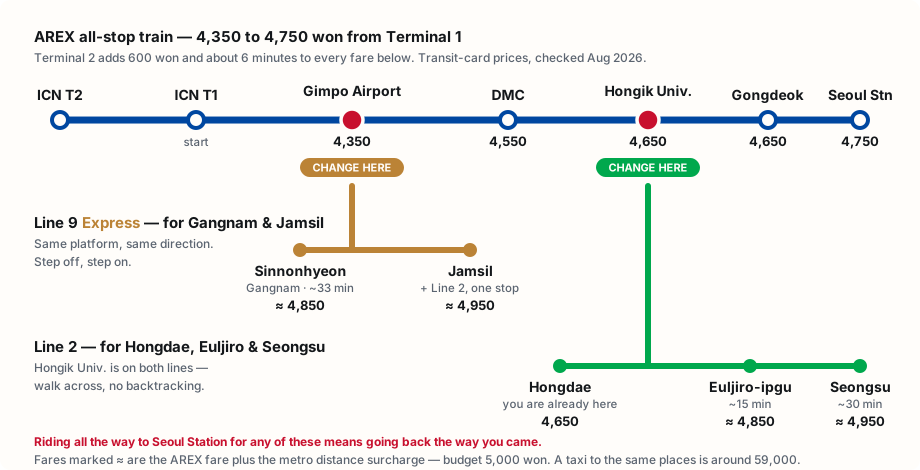
Most guides say “take the airport train to Seoul Station.” For a lot of destinations that’s simply wrong, and it’s wrong in a way that costs you half an hour.
The airport line has two transfer stations that matter, and neither is Seoul Station:
Hongdae Ipgu (홍대입구) — for Line 2
Hongdae Ipgu is on the airport line itself. It’s also a Line 2 station. So it’s a single walk-across transfer, no backtracking, and it’s 100 won cheaper than riding to Seoul Station.
If your destination is on Line 2 north of the river — Hongdae, Euljiro, Myeongdong-ish, Seongsu — get off at Hongdae Ipgu.
If your destination is Hongdae, you’re already there. Walk out. No transfer at all.
Gimpo Airport (김포공항) — for Gangnam and Jamsil
This is the one almost nobody knows.
The airport train stops at Gimpo Airport, which is also on Line 9. Line 9 runs an Express service straight into the Gangnam side of the river, and at Gimpo the transfer is same-platform in the same direction — you step off one train and onto the other.
Gimpo Airport → Sinnonhyeon (Gangnam) on the Line 9 Express is about 33 minutes.
Riding all the way to Seoul Station and coming back south is slower and no cheaper. Get off early.
Where you’re going, and what it costs
Times are from Terminal 1. From Terminal 2 add about 6 minutes and 600 won.
| Going to | Get off at | Then | Rough total time | Fare |
|---|---|---|---|---|
| Hongdae | Hongdae Ipgu | nothing — you’re there | ~55 min | 4,650 won |
| Seoul Station | Seoul Station | nothing | ~60 min | 4,750 won |
| Euljiro / Myeongdong | Hongdae Ipgu | Line 2, ~15 min | ~75 min | ~5,000 won |
| Seongsu | Hongdae Ipgu | Line 2, ~30 min | ~90 min | ~5,200 won |
| Gangnam | Gimpo Airport | Line 9 Express, ~33 min | ~90 min | ~5,000 won |
| Jamsil | Gimpo Airport | Line 9 Express → Line 2, 1 stop | ~105 min | ~5,300 won |
On the fares: the bold ones are the operator’s published table and are exact. The tilde ones are that fare plus the metro’s distance surcharge — the published rule is 1,550 won for the first 10 km, then 100 won per 5 km up to 50 km, and I’ve applied it to the transfer leg. I’m rounding rather than pretending to precision: the airport line carries a separate surcharge on top of the normal metro structure, so the combined total isn’t guaranteed to be a clean sum, and I haven’t tapped a card to every one of these destinations myself.
The honest version: every route in that table is somewhere between 4,650 and about 5,500 won. Budget 5,000 and you’re right. When the alternative is 59,000, the hundred-won differences don’t change any decision you’re making.
Get a T-money card
Everything above is the transit-card fare. If you buy single-journey tickets instead you pay 100 won more per ride, plus a deposit you have to queue up to reclaim, every single time.
- Buy a T-money card at any convenience store — CU, GS25, 7-Eleven — including the ones in the arrivals hall. The card costs a few thousand won.
- Top it up with cash at the same counter or at machines in any station. Say the amount; 30,000 won covers several days easily.
- It works on the airport train, every subway line, every city bus, and most taxis.
- Tap in and tap out. Tapping out is what triggers the transfer discount — miss it and your next ride charges full fare.
The transfer discount is the reason the totals above stay near 5,000. Tap out of the airport train and into Line 2 within 30 minutes and the system charges you one journey by total distance, not two separate fares. Between 9pm and 7am you get 60 minutes.
What about the limousine bus?
Airport buses run to most Seoul neighbourhoods and cost roughly 12,000–20,000 won depending on the route.
They’re comfortable, they take your luggage underneath, and they drop you closer to your hotel than a station will. That’s real.
But they’re three to four times the train and they sit in the same traffic the taxi does. If your bag situation is manageable, the train wins on both money and predictability.
Where the bus genuinely makes sense: you’re going somewhere the subway serves badly, you have more luggage than arms, or you simply do not want to deal with stairs and transfers after a long-haul flight. That’s a legitimate reason to spend 15,000 won.
When the taxi is actually right
I’m not going to pretend the train is always the answer.
Take a taxi if:
- You land after the trains stop. The airport line’s last departures are late evening. Miss them and there’s no train — this is the main real case.
- There are four of you. 59,300 won split four ways is under 15,000 each, with door-to-door service and no transfers. At that point the maths genuinely flips.
- You have a mobility issue, small children, or more bags than you can carry up a staircase. Stations have lifts, but transfers with a lot of luggage are a grind.
If you do take one, use the Kakao T app rather than flagging one down — the fare is estimated before you get in and the route is logged. The taxi guide covers setting it up with a foreign phone number and why you should choose pay-the-driver instead of registering a card.
Small things that trip people up
- Terminal 1 and Terminal 2 are different stations, 6 minutes and 600 won apart on the line. Check which one you land at — most airlines are T1, but Korean Air, Delta, Air France and KLM use T2.
- The station is inside the terminal. Follow the signs down to the basement. You do not go outside.
- The airport train is not the KTX. Different service, different platform, different price. If someone sells you a “high-speed airport ticket” for a lot of money, that’s the Express, and see above.
- The last train that reaches Seoul Station leaves Terminal 2 at 00:16. There’s one more at 00:34, but it stops short at Digital Media City — useful only if you’re headed that way. First train of the day to Seoul Station: 06:02. Going the other way, Seoul Station to the airport runs 05:42 to 00:02. (Read off the departure board at Terminal 2 on August 22, 2026. Weekend and holiday timetables differ — check on the day.)
- Big luggage on Line 2 at rush hour is unpleasant for you and everyone else. If you land into the 8am or 6pm crush and you’re hauling two suitcases, the bus is a kinder choice.
What I couldn’t verify
- The Express fare. The 11,000 won figure is from third-party sources, not the operator’s own published table, which I couldn’t reach. Treat it as approximate; the all-stop fares are official.
- Exact combined fares for transfer routes. As above — the airport line’s surcharge structure means I’d be guessing at the last few hundred won. The band is right; the individual numbers aren’t receipts.
- Whether those train times hold all week. The times above are what the Terminal 2 board showed on one weekday night. Weekend and holiday timetables differ and I only photographed the one.
- Bus fares by route. The 12,000–20,000 won range is real, but each route prices differently and I haven’t ridden them all.
- Whether Line 9 Express is running when you arrive. The Express doesn’t run all day on the same pattern as the local. If it isn’t, the local works — it just takes longer.
If you’ve tapped a T-money card from the airport to any of these places recently, send me the fare. I’d rather replace my rounded numbers with your actual ones.
The rest of this series
- Seoul taxis: what the ride should cost — the meter rates, worked fares, and the app that stops you being overcharged. Read it before you decide the train is too much hassle.
- Food prices in Korea: three price tags — you’ve saved 55,000 won on the ride in; here’s what a day of eating costs.
- Korean fried chicken: what it actually costs — the classic first-night order, with the chain’s own menu prices.
Common questions
How do I get from Incheon Airport to Seoul cheaply?
Take the AREX all-stop train. It costs 4,650–4,750 won (about $3.35) from Terminal 1 to Hongdae or Seoul Station and runs from inside the terminal. A taxi to central Seoul is around 59,000 won. The train is roughly one twelfth the price and, in traffic, not much slower.
How much is the train from Incheon Airport to Seoul?
From Terminal 1 with a transit card: 4,650 won to Hongdae or Gongdeok, 4,750 won to Seoul Station. From Terminal 2 add 600 won. The Express train to Seoul Station is a separate service at about 11,000 won. Checked August 2026 against the operator's official fare table.
Should I take the AREX Express or the all-stop train?
All-stop, for almost everyone. The Express only runs to Seoul Station, costs roughly 11,000 won against 4,750, and saves about 15 minutes. If your destination is on Line 2 or Line 9 you'd have to backtrack from Seoul Station anyway, which eats the time saving.
Where do I transfer for Gangnam from the airport train?
Gimpo Airport station, not Seoul Station. Get off AREX at Gimpo Airport and take the Line 9 Express — it's a same-platform transfer and reaches Sinnonhyeon in Gangnam in about 33 minutes. Going all the way to Seoul Station first means backtracking.
Do I need a T-money card?
It's worth the 2,500-4,000 won it costs. Fares above are transit-card prices; single-journey tickets cost 100 won more per ride plus a refundable deposit, and you buy one every single time. Buy a T-money at any convenience store in the arrivals hall and top it up with cash.