Korea SIM Card vs eSIM: What Tourist Data Plans Cost
A data-only SIM or eSIM from LG U+ costs $4.85 (6,500 won) for one day and $20.54 (27,500 won) for five days of unlimited data. A pocket Wi-Fi is $3.29 (4,400 won) a day, and a month-long KT prepaid phone plan starts at $26.14 (35,000 won).
Prices checked November 11, 2026 · in Seoul, on screen
A data-only SIM card or eSIM for a short trip to Korea costs $4.85 (6,500 won) for one day and $20.54 (27,500 won) for five days at LG U+, one of the country’s three mobile carriers. The data is unlimited, and the clock starts when you first use data, not when you buy. A pocket Wi-Fi router from the same carrier is cheaper per day at $3.29 (4,400 won). For a stay of a month or more, KT’s prepaid phone plan for foreigners starts at $26.14 (35,000 won) for 30 days.
The other two carriers, SK Telecom and KT, sell their own tourist SIMs and eSIMs. Their prices only load in a browser with JavaScript, so I couldn’t confirm them for this guide. They’re listed under what I couldn’t verify, along with roaming from your home carrier.
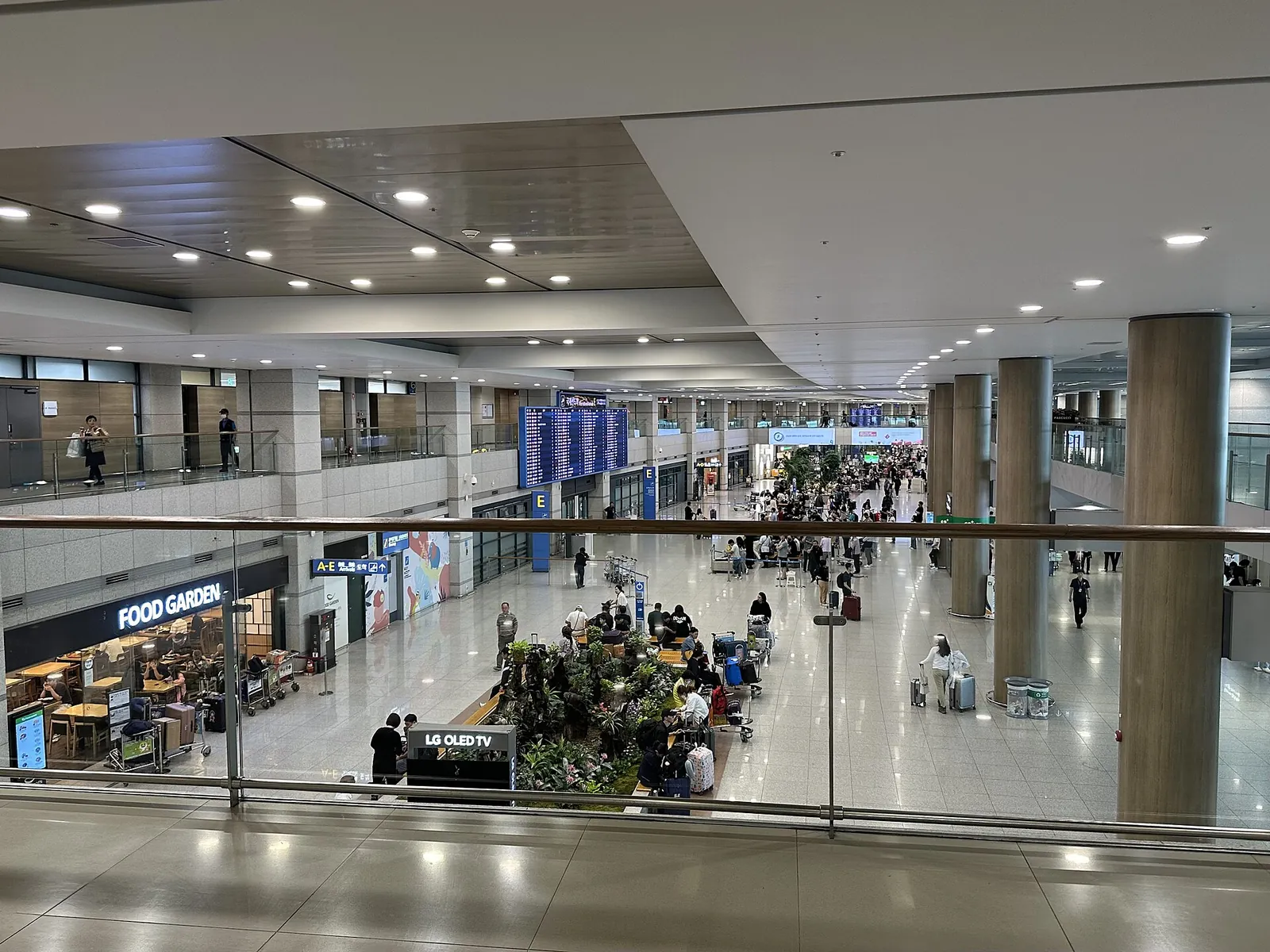

Checked online on November 11, 2026 (Checked: 2026-11-11). Prices come from the carriers’ own English pages, opened that day: LG U+ eSIM, LG U+ SIM card, LG U+ pocket Wi-Fi and KT LTE Welcome Prepaid. I read these prices on screen; this isn’t a receipt. Dollar figures use $1 = 1,339.00 won, the ECB reference rate for November 10, 2026 (via Frankfurter). They’re approximate, not what your card or a money changer will give you.
The short answer: four ways to get data
| Option | Price | Best for |
|---|---|---|
| LG U+ data-only eSIM | $4.85 (6,500 won) for 1 day to $20.54 (27,500 won) for 5 days | Short trips, phones that support eSIM |
| LG U+ data-only SIM card | Same prices as the eSIM | Phones without eSIM support |
| LG U+ pocket Wi-Fi | $3.29 (4,400 won) a day, plus a deposit | Several people sharing one connection |
| KT LTE Welcome Prepaid | $26.14 (35,000 won) to $41.08 (55,000 won) for 30 days | Stays of a month or longer, with calls and texts |
SK Telecom and KT also sell tourist SIMs and eSIMs. I couldn’t read those prices without JavaScript, so they’re not in the table.
LG U+ data-only SIM and eSIM, day by day
LG U+ (엘지유플러스) runs a separate English site for visitors. Its data-only plans cost the same whether you take a physical SIM card or an eSIM:
- 1 day: $4.85 (6,500 won)
- 2 days: $8.96 (12,000 won)
- 3 days: $13.44 (18,000 won)
- 4 days: $17.18 (23,000 won)
- 5 days: $20.54 (27,500 won)
The per-day cost drops as you buy more days. Five days work out to $4.11 (5,500 won) a day. The page has a “more” option for longer plans, but those prices only appear in a browser with JavaScript. I couldn’t confirm them.
What the page says you get:
- Unlimited 5G or LTE data, with no speed cap. A note further down adds that speeds “may be managed” when the network is very congested.
- The clock starts with your first data use. LG U+ gives an example: a 5-day plan first used at 10 a.m. on June 4 runs until 10 a.m. on June 9. Buying a week early costs you nothing.
- A free T-money (교통카드, transit card) with plans of 3 days or more, if you pick up at the airport.
- An online-only discount code, mentioned on the page without a number. I can’t tell you how much it saves.
The rules are strict. You must activate an eSIM within 60 days of buying it. There’s no refund after payment. A deleted eSIM can’t be reissued. One passport can buy up to three items.
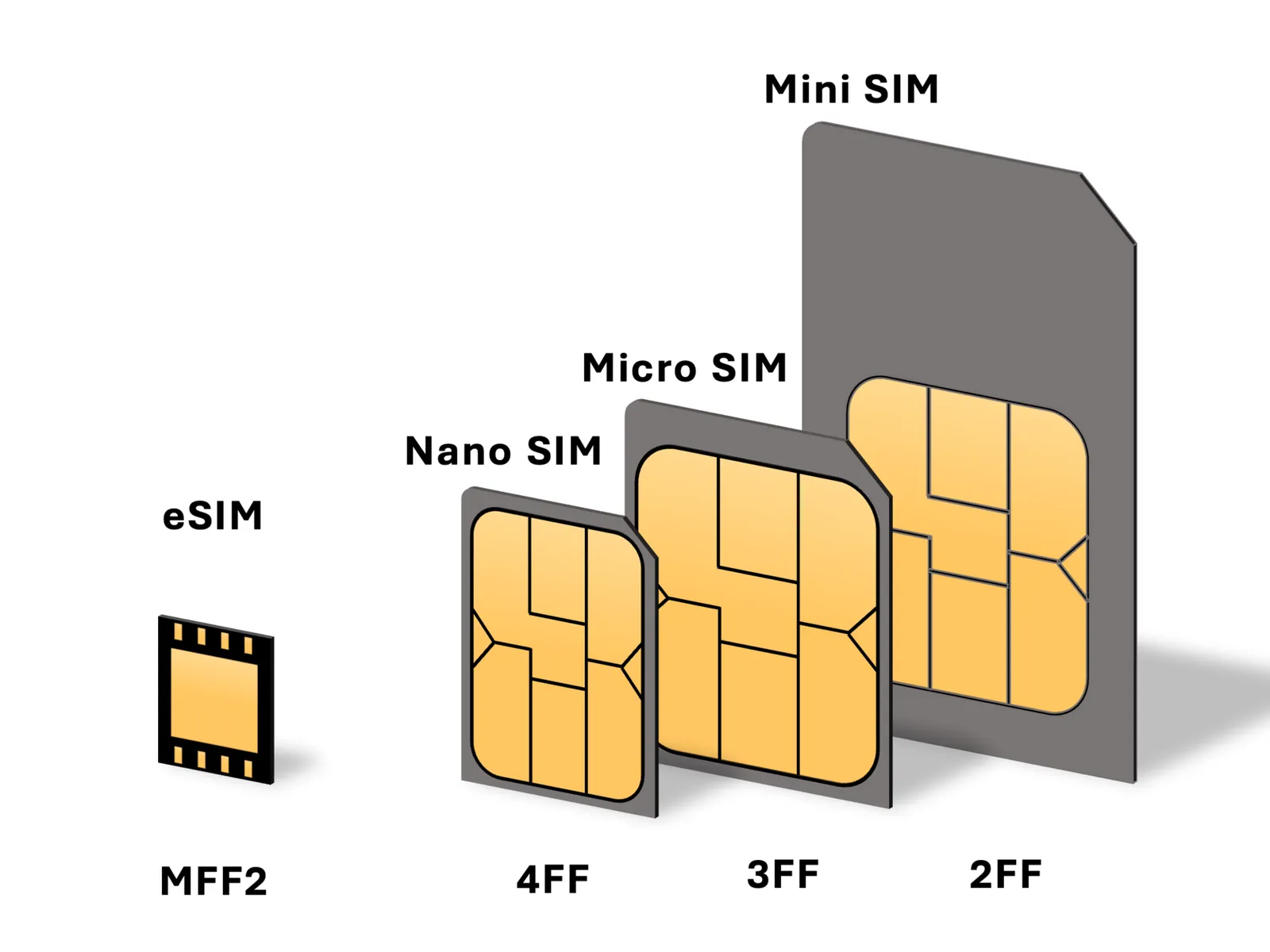

eSIM or physical SIM card?
The price is the same, so pick based on your phone and your arrival.
An eSIM arrives as a QR code. You scan it and the plan installs. You can buy it online, so there’s no counter to visit. Two checks before you pay:
- Does your phone support eSIM? LG U+ says to dial
*#06#. If you see a number labeled EID, it does. - Is your phone unlocked? Only phones without a carrier or country lock will work.
LG U+ also says its eSIM doesn’t work on Google Pixel, Motorola or OPPO phones. If you carry a Pixel, take a SIM card instead. Phones bought outside Korea may also have problems, the page says, “depending on network condition.” You need an internet connection to finish activating the eSIM, so use the airport Wi-Fi.
A physical SIM card is collected at one of four airport counters: Incheon Terminal 1, Incheon Terminal 2, Gimpo or Gimhae. It comes with an 010 Korean phone number. (The eSIM also gets a number, which shows up in your phone’s settings once you’re in Korea.) LG U+ also asks you to upload your passport. If your phone can’t use eSIM, this is your option.
Do you need a Korean phone number?
This is the part most price comparisons skip, and it affects which plan you buy.
The data-only plans don’t let you make outgoing calls or send texts. LG U+ also says plainly that with data only, SMS verification is not available. Many Korean apps send a code by text when you sign up.
The Data + Voice plans can be bought only at an airport counter, not online. With one, LG U+ says SMS verification works for restaurant and taxi reservation apps. It does not work for banking or government services. I couldn’t confirm Data + Voice prices, because the page loads them with JavaScript.
Once you have a voice plan on an LG U+ SIM or eSIM, these are the published rates for outgoing use:
- Calls within Korea: 4.4 won a second, or about $0.20 (264 won) a minute
- Texts within Korea: $0.04 (55 won) per message
- Calls to the United States: $0.62 (825 won) a minute
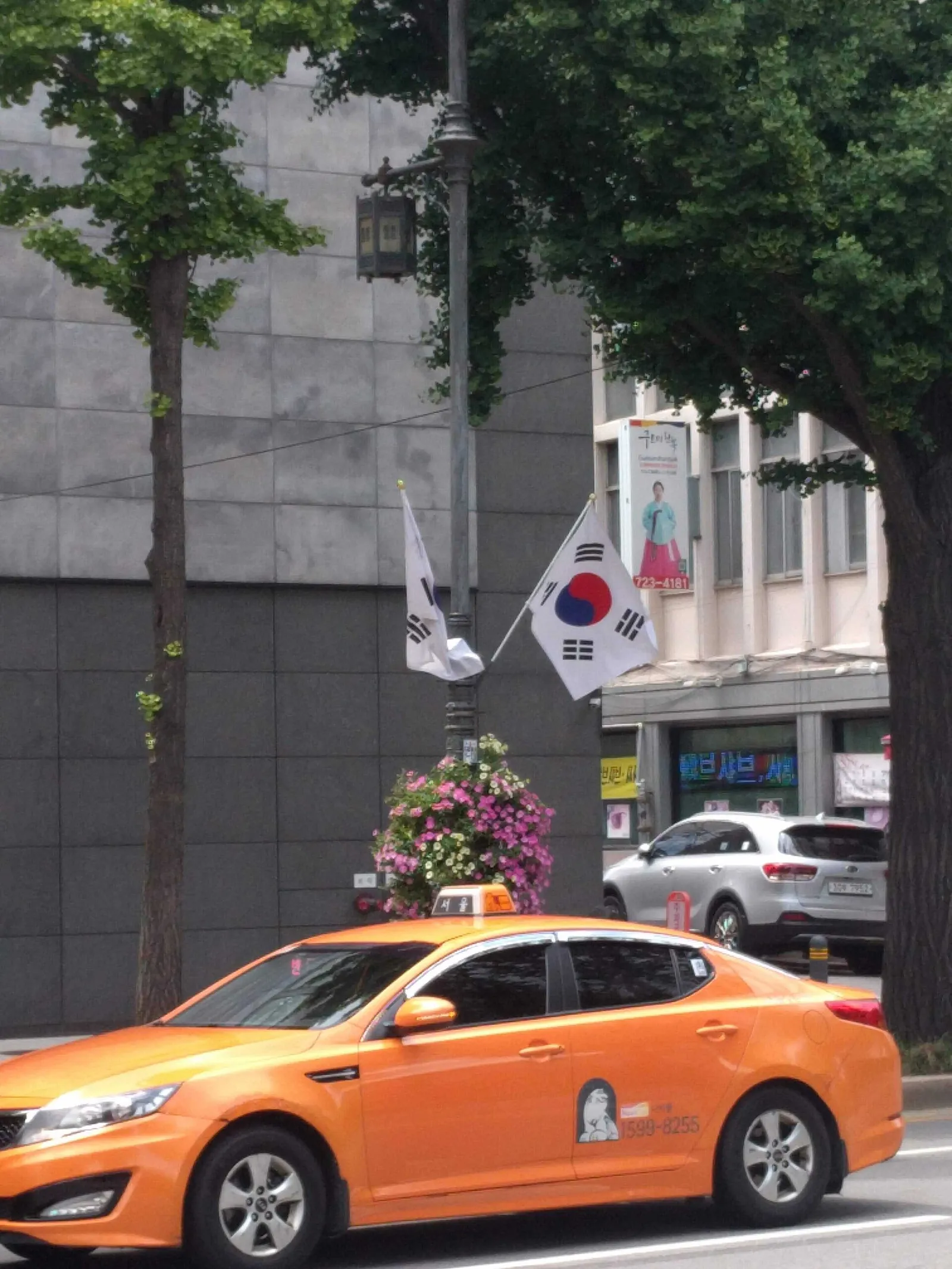

You don’t need an app to take a taxi here. You can still hail one on the street. What an app gives you is a fixed pickup point and a destination already entered in Korean. If that matters to you, a Data + Voice plan is the safer buy. The Seoul taxi guide covers what the meter should read.
Pocket Wi-Fi: cheaper per day, but you carry it back
LG U+ rents a pocket Wi-Fi router for $3.29 (4,400 won) a day. Five days come to $16.43 (22,000 won). That’s $4.11 (5,500 won) less than a 5-day eSIM.
What you get, per the page:
- 4GB of LTE data a day, refreshed at midnight. After that, data keeps going at up to 5Mbps.
- Several people can connect at once. For a family or a group, one router can replace several eSIMs.
- A free power bank rental.
The catches:
- You must return it before you fly out. The rental fee keeps adding up each day until it’s returned.
- A deposit at the counter. A credit card in the passport holder’s name gets a 1,111 won authorization, which is not charged. A debit card is charged a $52.28 (70,000 won) deposit, refunded automatically when the router comes back in good condition.
- It’s one more thing to charge and carry. If the router’s battery dies, your phone has no data.
Pickup and return are at Incheon T1 or T2, Gimpo or Gimhae airport. For a solo traveler, I’d skip the router. For three people on the same itinerary, the math changes quickly.
Staying a month or longer: KT’s prepaid phone plan
The tourist plans I could price stop at five days. For a stay of a month or more, there’s another route. KT (케이티) sells a prepaid plan for foreigners called LTE Welcome Prepaid. You can sign up with just a passport. Each tier lasts 30 days and includes 200 minutes of calls and 200 texts:
| Plan | Price, 30 days | Data, then speed after it runs out |
|---|---|---|
| Welcome 1_Prepaid | $26.14 (35,000 won) | 1GB, then up to 1Mbps |
| Welcome 3_Prepaid | $33.61 (45,000 won) | 3GB, then up to 3Mbps |
| Welcome 5_Prepaid | $41.08 (55,000 won) | 5GB, then up to 5Mbps |
KT says these prices include VAT. There’s no refund for the amount you charge, and no refund of any balance when you cancel. The page sends you to KT stores to sign up. If you haven’t registered with a foreigner identification number, KT says you can only use the service for 90 days. After the data runs out, the speed limits are low, so the 1GB tier is mostly for messaging and maps.
What the data is actually for
Most visitors use data for four things: maps, transit, translation and taxis. In Korea, the maps part works a little differently. Locals use Korean map apps such as Naver Map (네이버 지도) and KakaoMap (카카오맵), which give subway routes, bus times and walking directions. Google Maps handles transit here but is weak for walking and driving directions.
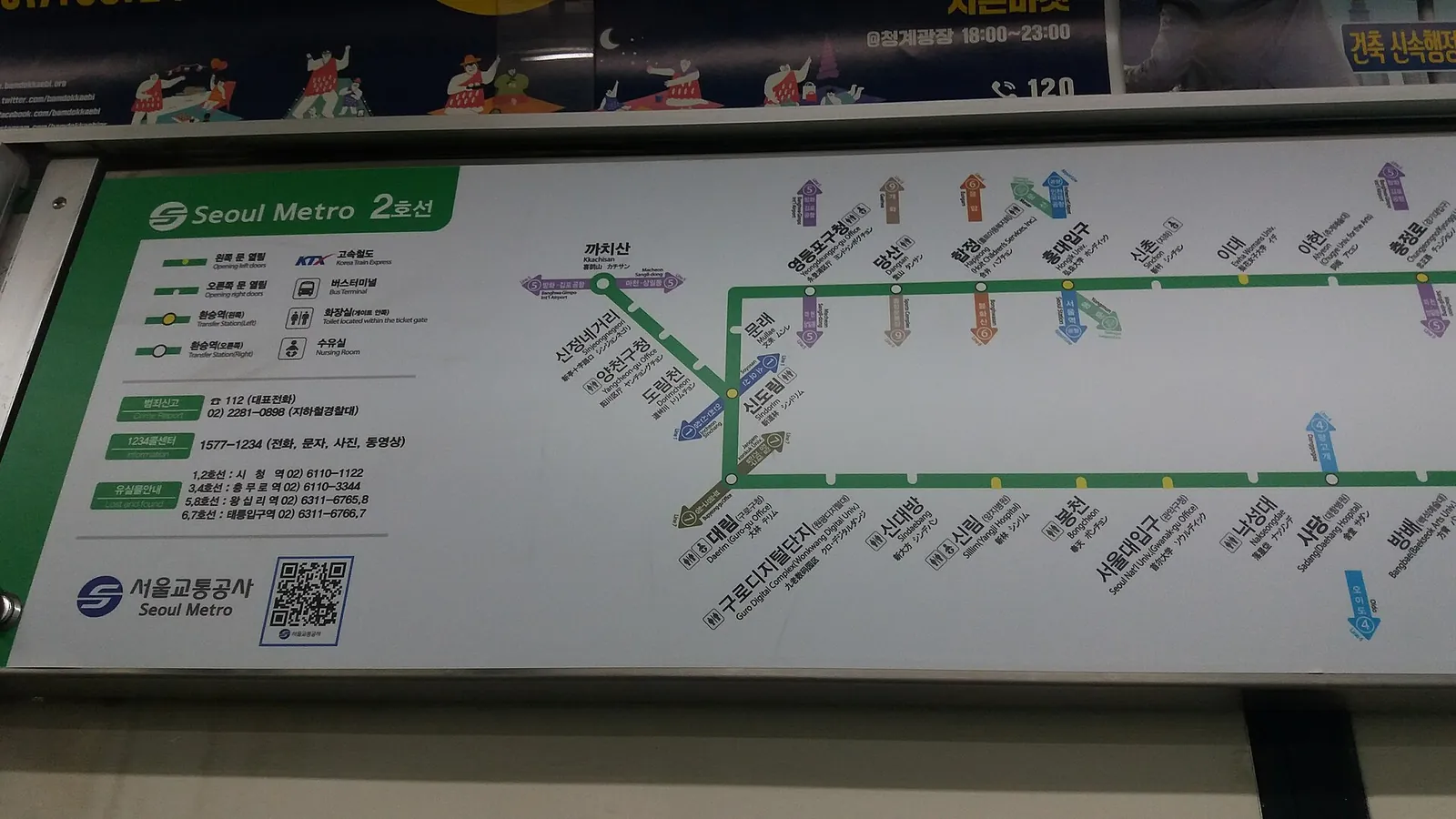

You want data working before you leave the airport. The cheapest way into Seoul is the airport train, and the transfer that saves the most time is easy to miss without a map. Incheon Airport to Seoul walks through it. If you pick up a 3-day-or-longer LG U+ plan at the airport, you also get the free T-money card for that train. It still needs money loaded before you tap in.
How to pick
- One to five days, phone supports eSIM: a data-only eSIM. You can buy it before you fly. The clock doesn’t start until you first use data in Korea.
- You need taxi or restaurant apps that send a verification text: a Data + Voice plan from an airport counter. Budget for it, even though I couldn’t confirm the price.
- Older phone, Google Pixel, or no eSIM: a physical data SIM collected at the airport.
- Two or more people traveling together: a pocket Wi-Fi, if someone will carry and charge it.
- A month or longer: KT LTE Welcome Prepaid, from $26.14 (35,000 won) for 30 days.
Whatever you buy, turn off data roaming on your home SIM before you land. Your home carrier may start charging as soon as your phone finds a Korean network. Our guide to the costs nobody budgets flags this as the one extra it couldn’t price.
What I couldn’t verify
- SK Telecom tourist SIM and eSIM prices. The SK Telecom roaming site (skroaming.com) kept redirecting to itself and never loaded a price page.
- KT tourist SIM and eSIM prices. KT’s roaming site (roaming.kt.com) loads everything with JavaScript, so a plain page download shows no prices.
- LG U+ plans longer than five days. The “more” option loads with JavaScript.
- LG U+ Data + Voice prices, for both SIM card and eSIM. The tab loads with JavaScript.
- How much the LG U+ online discount code saves. The page mentions it without a number.
- Roaming charges from your home carrier. These depend entirely on your carrier and plan.
- Real-world speeds. LG U+ advertises no speed cap but says speeds may be managed during congestion. I haven’t measured them.
Related guides
- Incheon Airport to Seoul: train, bus or taxi: the first trip you’ll want working data for.
- Seoul taxis: what the ride should cost: meter rates, and how not to get taken.
- Is South Korea expensive for tourists?: the small charges that add up on top of data.
- Gimpo Airport to Seoul: if you’re flying in to Gimpo, another LG U+ pickup point.
Common questions
How much is a SIM card in Korea for tourists?
On LG U+'s official visitor site, a data-only SIM card or eSIM costs $4.85 (6,500 won) for one day, $13.44 (18,000 won) for three days and $20.54 (27,500 won) for five days, with unlimited data. Prices were checked on November 11, 2026. SK Telecom's and KT's tourist SIM prices only load with JavaScript, so this guide could not confirm them.
Is an eSIM or a pocket Wi-Fi cheaper in Korea?
Per day, the pocket Wi-Fi. LG U+ rents one for $3.29 (4,400 won) a day, so five days come to $16.43 (22,000 won), against $20.54 (27,500 won) for a five-day eSIM. But you have to collect and return the router at an airport, and pay a deposit: a 1,111 won hold on a credit card that is not charged, or a refundable $52.28 (70,000 won) on a debit card.
Do I need a Korean phone number for taxi and restaurant apps?
Often, yes. LG U+ says its data-only plans can't make outgoing calls or texts and can't receive SMS verification codes. Its Data + Voice plans, sold only at airport counters, can receive verification texts for restaurant and taxi reservation apps, but not for banking or government services. This guide could not confirm the Data + Voice prices.