Is South Korea Expensive for Tourists? The Costs Nobody Budgets
The extras nobody puts in a Korea budget are small but real: a $7.51 (10,000 won) K-ETA, a $2.25 (3,000 won) transit card, $0.38 (500 won) deposits and $1.65–$3.30 (2,200–4,400 won) lockers. Here is each one, with the official price and how to skip it.
Prices checked October 19, 2026 · in Seoul, on screen
Most of the costs nobody budgets for in Korea are small. A K-ETA travel authorization is $7.51 (10,000 won). A Climate Card (기후동행카드, Seoul’s unlimited transit pass) costs $2.25 (3,000 won) for the plastic before you load a single day on it. A single-journey subway ticket carries a $0.38 (500 won) deposit. A subway locker runs $1.65–$3.30 (2,200–4,400 won) for four hours. Put a K-ETA, a Climate Card, one large locker for a full day of sightseeing and a refund fee together and you get about $16.44 (21,900 won).
That won’t break anyone. The one extra that can is a long taxi ride after 11 PM, when the meter carries a 40% surcharge. And there’s one I couldn’t price at all: mobile data from your home carrier.
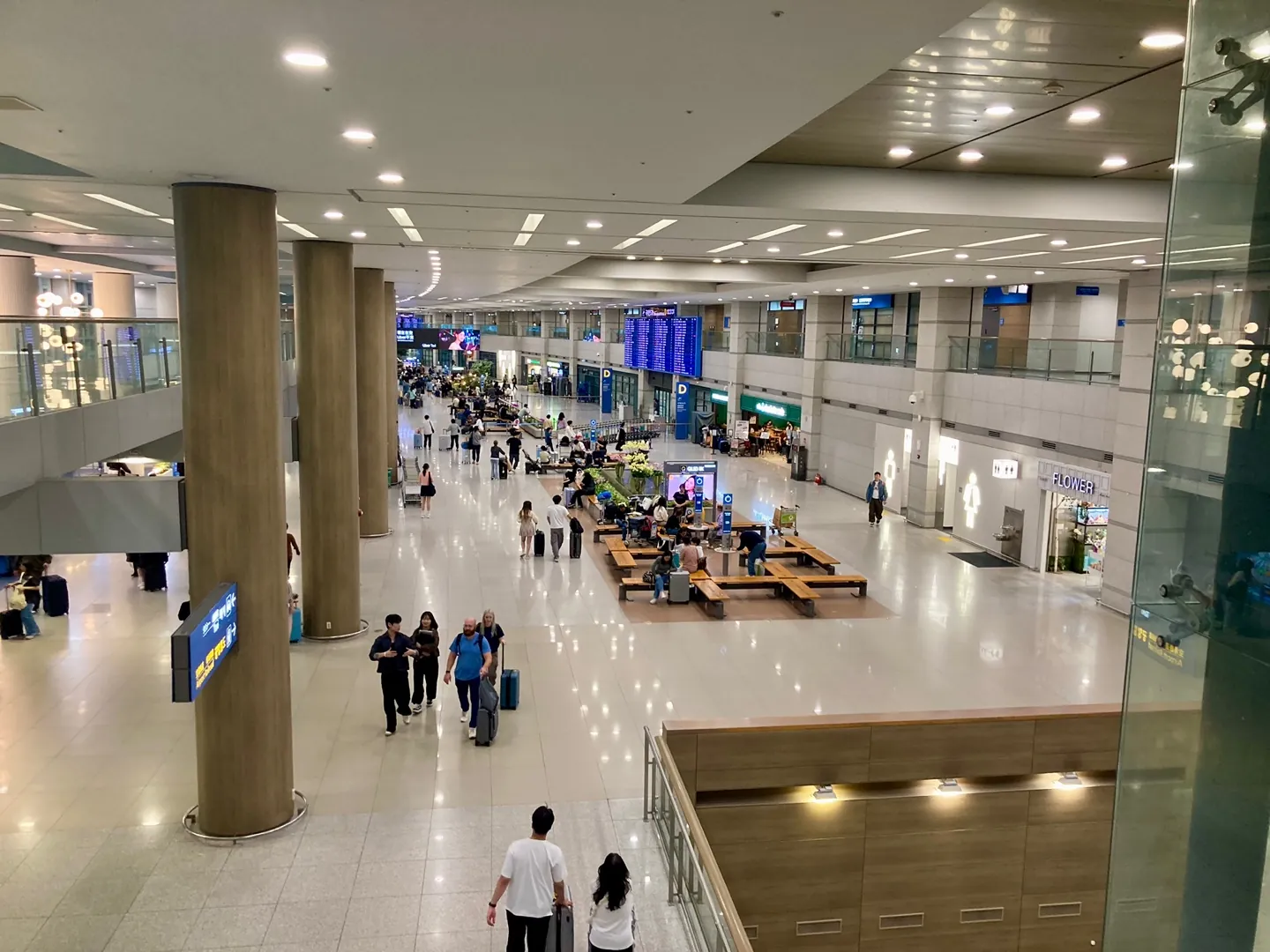

Checked online on October 19, 2026 (Checked: 2026-10-19). Every price here comes from an official page I opened that day: the K-ETA site, the airport railroad, Seoul Metro, Visit Seoul and the Seoul city government. This is a guide to published prices, not a receipt. I live in Seoul and explain how these things work; I didn’t buy each item for this article. Dollar figures use $1 = 1,332.10 won, the ECB reference rate for October 16, 2026 (via Frankfurter). They are approximate, not what your card or an exchange booth will give you.
The list, with prices
| Cost | Official price | Can you skip it? |
|---|---|---|
| K-ETA (travel authorization) | $7.51 (10,000 won) | Yes, if your passport is exempt |
| Climate Card, physical card | $2.25 (3,000 won) | Yes, on an Android phone |
| Single-journey ticket deposit | $0.38 (500 won), refunded | Yes, with any transit card |
| Single-journey ticket surcharge | $0.08 (100 won) per ride | Yes, with any transit card |
| Subway locker, 4 hours, weekday | $1.65–$3.30 (2,200–4,400 won) | Sometimes; ask your hotel |
| Late-night taxi surcharge | 20% or 40% | Yes, by catching the last train |
| Mobile data | Couldn’t verify | No, but you choose how |
Most of these you can avoid, or at least shrink. The rest of this guide goes through them one at a time.
K-ETA: $7.51, unless you’re exempt
The K-ETA (Korea Electronic Travel Authorization) is the online pre-approval that visa-free visitors file before flying. The official K-ETA site lists the fee as $7.51 (10,000 won) and says processing generally takes up to 72 hours.
The part most budgets miss is that many travelers don’t need it right now. In a notice on the same site, the Ministry of Justice extended a temporary exemption to December 31, 2026 for the countries already exempt. You find out whether yours is one of them when you scan your passport during the application, because the site shows a pop-up.
The K-ETA FAQ also exempts:
- Travelers 17 or younger, or 65 or older, on the date of entry
- People who already hold a Korean visa or are registered foreigners
- Transfer passengers who stay airside
- Cruise passengers
Two things to know before you pay:
- The fee isn’t refunded. The exemption notice says so plainly, so check before you pay.
- Exempt travelers can still choose to pay. An approved K-ETA means you don’t have to fill in an arrival card. If that convenience is worth $7.51 (10,000 won) to you, apply. If not, don’t.
Apply only on k-eta.go.kr, the government’s own site. If another site asks for more than 10,000 won, you’re paying a middleman.
Transit cards: what the plastic and the deposits cost
Single-journey tickets: 100 won more, plus a 500 won deposit
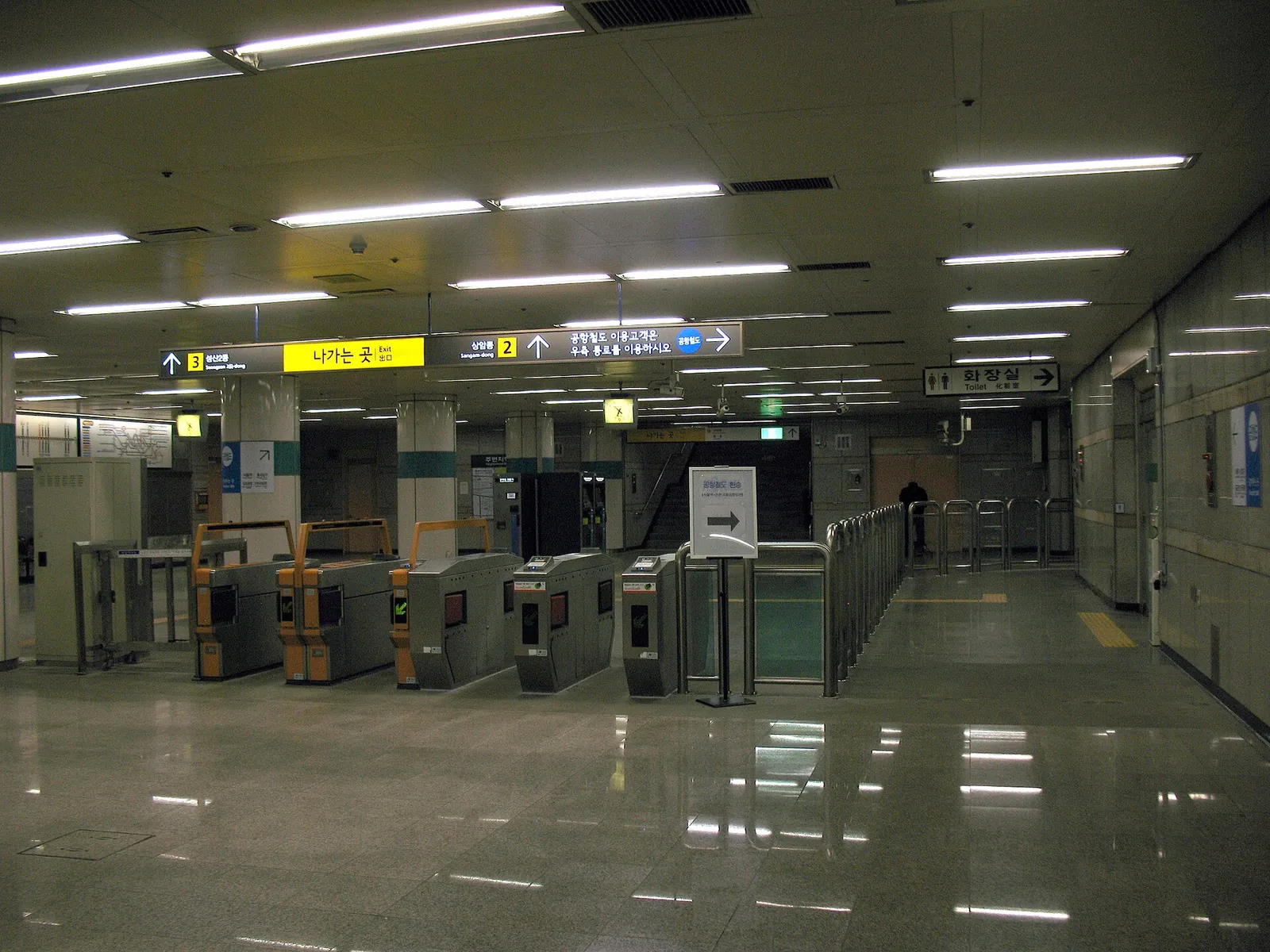
You can ride the subway without a transit card. It just costs a little more each time. The airport railroad’s fare table says a single-journey ticket adds $0.08 (100 won) to the adult fare. It also carries a $0.38 (500 won) deposit, which you get back at your destination station. Visit Seoul describes the same 500 won deposit on the city subway.
On Seoul Metro’s own table, the base adult fare is $1.16 (1,550 won) with a card and $1.24 (1,650 won) with a single-journey ticket. Seoul Metro’s fare page lists both.
None of that is much. The real cost is time: a new ticket before every ride, and a stop at the deposit-refund machine after it. A rechargeable card such as T-money (티머니, Korea’s standard transit card) removes both, and you can buy one at convenience stores. I couldn’t find the card’s own price on an official page, so I’m not giving a number. See convenience store prices for what else those shops sell.

The Climate Card: cheap passes, a 3,000 won card and a few catches
Seoul’s Climate Card is an unlimited-ride pass for the subway and city buses. The Seoul city government’s page, updated October 12, 2026, lists these short-term passes:
| Pass | Price |
|---|---|
| 1 day | $3.75 (5,000 won) |
| 2 days | $6.01 (8,000 won) |
| 3 days | $7.51 (10,000 won) |
| 5 days | $11.26 (15,000 won) |
| 7 days | $15.01 (20,000 won) |
At $1.16 (1,550 won) a subway ride, the 1-day pass pays off on your fourth ride. That part is simple. The costs hide in the details:
- The physical card is $2.25 (3,000 won), on top of the pass. The mobile version runs only on Android phones (OS 12 or later). On an iPhone, you need the plastic card.
- A “1-day” pass is a calendar day, not 24 hours. It starts on the day you charge it and ends with that night’s last train. Charge it at 6 PM and you get one evening.
- It doesn’t cover your ride in from Incheon Airport. You can ride it out to the airport stations at T1 and T2, but you can’t start a trip there. Your first ride into Seoul is a normal fare: $3.57 (4,750 won) from Terminal 1 to Seoul Station on the all-stop train. The Incheon Airport guide covers that trip.
- Refunds cost $0.38 (500 won) and are hard for visitors. You must apply before the pass expires. If you don’t have a Korean bank account, the city’s page says to visit T-money’s head office for a cash refund. A physical card that isn’t registered on the T-money Card & Pay website can’t be refunded at all.
It also excludes the Shinbundang Line, the GTX and airport buses. My advice: buy the shortest pass that covers your days and don’t plan on a refund.
Lockers: $1.65 to $3.30 for four hours
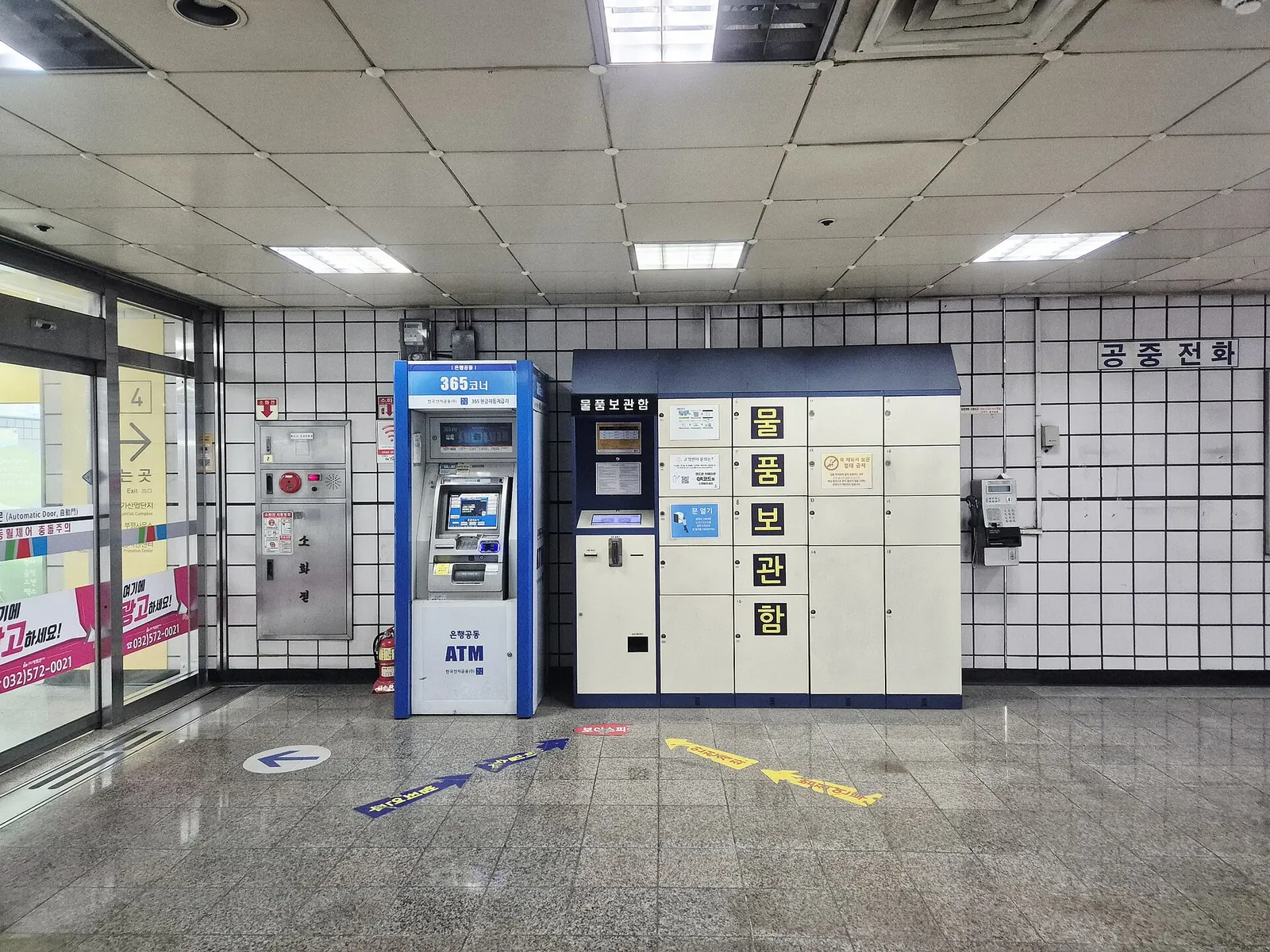
Checkout is at 11 AM and your flight leaves at 9 PM. Seoul Metro’s smart lockers, called T-Locker (또타라커), are there for exactly that gap.
According to an article on the Seoul city government’s news site, published in March 2025, weekday rates for the first four hours are:
- Small: $1.65 (2,200 won), then $0.38 (500 won) per extra hour
- Medium: $2.48 (3,300 won), then $0.60 (800 won) per extra hour
- Large: $3.30 (4,400 won), then $0.75 (1,000 won) per extra hour
A large locker, the size meant for big suitcases, kept for eight hours on a weekday works out to $6.31 (8,400 won). That’s the figure in my total at the top.
The article gives weekday rates only. I couldn’t find weekend rates on an official page, so they’re under “What I couldn’t verify” below. Before you pay for a locker at all, ask your hotel. Many will hold bags at the front desk after checkout.

Late-night taxis: 20% to 40% more
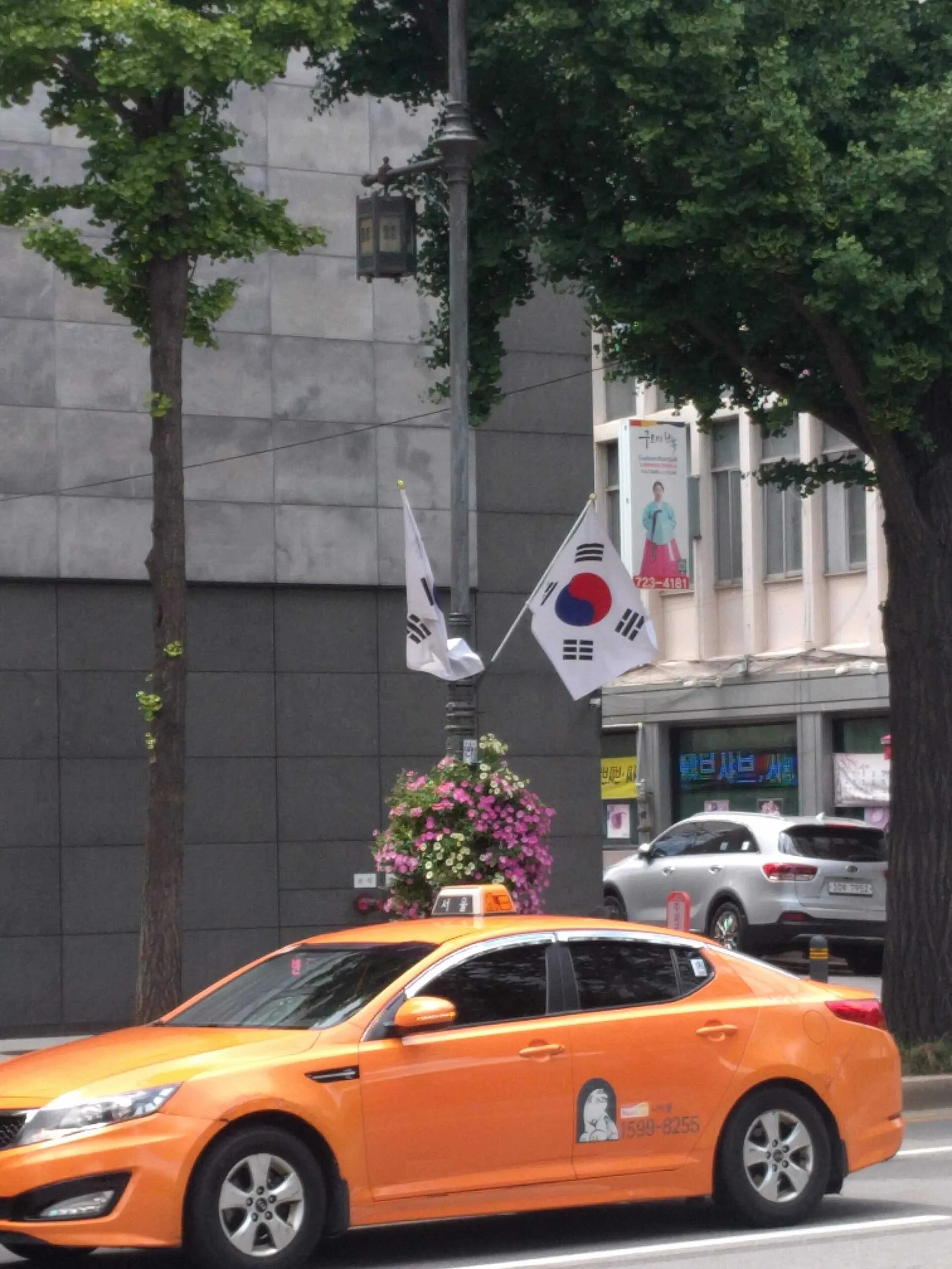
This is the one that can turn a cheap day expensive. The Seoul city government’s taxi page lists the standard sedan taxi’s base fare as $3.60 (₩4,800) for the first 1.6 km during the day. Between 11 PM and 2 AM it is $5.03 (₩6,700).
The night rates raise the distance and time charges too, not just the base. The city lists the late-night surcharge as:
- 20% from 10 PM to 11 PM
- 40% from 11 PM to 2 AM
- 20% from 2 AM to 4 AM
Rides outside the city limits carry a separate 20% surcharge.
The fix is planning, not haggling. Check when your last train leaves and treat it as the end of your evening. If you do need a cab late, the Seoul taxi guide explains how to book one through an app so the route is logged.

Mobile data: the one I can’t price for you
For many visitors, data could be the largest extra on this list, and it’s the one I can’t put a number on. What you pay depends on your home carrier’s roaming plan, or on the local SIM or eSIM you pick. None of the Korean carriers’ visitor prices were on a page I could check without JavaScript.
What I can tell you is how to keep it small:
- Look up your carrier’s daily roaming price before you fly. Multiply it by your days. That number is often the one people forget.
- Compare it with a Korean prepaid SIM or eSIM sold for a fixed number of days.
- Turn off data roaming before you land if you plan to buy locally. Otherwise your carrier may start charging as soon as your phone connects.
You’ll want data, because maps, translation and taxi apps all depend on it.
Card and ATM fees: ask your own bank
Korea takes cards almost everywhere, including taxis and convenience stores. The fees come from your side. Some cards charge a foreign transaction fee, and some ATMs and home banks charge for withdrawals. Those vary by bank, so I can’t give a number. Before you fly, check whether your card charges a foreign transaction fee. If you do withdraw cash, take out fewer, larger amounts.
What doesn’t cost extra
Some costs people expect from other countries simply don’t apply here:
- No tipping. Restaurants, taxis and hotels don’t expect it.
- Water and side dishes are included at ordinary restaurants. The food prices guide shows what a normal meal costs.
- Bus and subway transfers. With a transit card, transferring between the subway and buses is free within the time limit, as long as you tap out.
So, is South Korea expensive for tourists?
Not because of these fees. Add up the extras on this list that have an official price and the example at the top comes to about $16.44 (21,900 won) for a whole trip. The things that make a Korea trip expensive are the usual ones: where you sleep, how often you take taxis, and whether you shop.
If you budget anything for “extras,” put it toward a late taxi and your phone plan. Those are the two that can grow.
What I couldn’t verify
- The K-ETA exemption list. The site confirms the exemption runs to December 31, 2026, but I couldn’t find the country list on a page that loads without JavaScript. Scan your passport on the official site to check.
- The price of a T-money card. It’s sold at convenience stores, but I couldn’t find the card’s own price on an official page.
- Weekend locker rates. The Seoul city article gives weekday rates only, and it dates from March 2025. Check the price on the locker’s screen.
- Mobile data and roaming prices. These depend on your home carrier or the plan you buy. I couldn’t check Korean carriers’ visitor prices without JavaScript.
- Card and ATM fees. These depend on your bank.
- The airport express train fare. The operator’s express fare page didn’t load without JavaScript. The all-stop fare above is from the official table.
Related guides
- Incheon Airport to Seoul: do it for 5,000 won — the first fare you’ll pay, which the Climate Card doesn’t cover.
- Seoul taxis: what the ride should cost — meter rates and how to avoid the late-night trap.
- Food prices in Korea: three price tags — what a normal day of eating costs.
- Convenience store prices in Korea — where you’ll buy your transit card.
Common questions
Is South Korea expensive for tourists?
Day to day, the big costs are your room and your food. The extras people forget are small: in the example in this guide, a K-ETA, a Climate Card, one large subway locker for eight hours and a pass refund fee add up to about $16.44 (21,900 won). The cost that can actually hurt is a long taxi ride after 11 PM, when Seoul taxis charge a 40% late-night surcharge.
How much is the K-ETA, and do I need one?
The fee is $7.51 (10,000 won) on the official site, k-eta.go.kr, and it is not refunded. Countries on Korea's temporary exemption list don't need one until December 31, 2026, and travelers 17 or younger or 65 or older are exempt. The site tells you whether you are exempt when you scan your passport.
How much is a locker in a Seoul subway station?
On weekdays, Seoul Metro's T-Locker charges $1.65 (2,200 won) for a small locker, $2.48 (3,300 won) for a medium and $3.30 (4,400 won) for a large, for the first four hours. Each extra hour adds $0.38–$0.75 (500–1,000 won). These are the rates the Seoul city government's news site published in March 2025.